The Best Apps for Business Travellers

Business travel can be challenging, with tight schedules, unfamiliar locations, and last-minute changes. Fortunately, the right apps can help smooth out the journey, making everything from booking flights to managing expenses more manageable. Below, we explore some of the best apps for business travellers to enhance productivity and reduce the stress of travel.

Travel booking and planning apps

Efficient travel planning is key for business travellers. Several apps simplify the booking process, ensuring seamless travel arrangements.

  • TripIt: this app consolidates all your travel plans—flights, hotels, car rentals—into a single, easy-to-use itinerary. Simply forward confirmation emails to TripIt, and it will create a master schedule, complete with directions, weather updates, and maps.
  • Hopper: for those looking to save on flight costs, Hopper predicts the best times to book flights. The app notifies you when prices are likely to drop, helping you secure the best deal.

Expense management apps

Managing expenses can be a hassle, especially when travelling for business. Expense management apps help streamline this process.

  • Expensify: this popular app allows users to easily scan receipts, track mileage, and create expense reports. With features that automatically categorise expenses and integrate with major accounting software, Expensify is perfect for managing business travel expenses.
  • Concur: often used by larger organisations, Concur simplifies expense reporting by integrating travel bookings with expense tracking. Its intuitive interface makes it easy for business travellers to submit expense reports directly from the app.

Communication and collaboration apps

Staying connected with colleagues and clients is crucial while on the road. The following apps facilitate communication and collaboration.

  • Slack: this well-known communication tool helps you stay connected to your team, no matter where you are. Slack’s mobile app supports direct messaging, file sharing, and video calls, ensuring that business travellers can collaborate effectively.
  • Zoom: video meetings have become a staple in the business world. Zoom’s mobile app allows users to join meetings from anywhere, making it ideal for business travellers who need to participate in calls while on the move.

Navigation and local information apps

Getting around in unfamiliar cities can be daunting, but these apps provide navigation assistance and local insights.

  • Google Maps: as a must-have app for any traveller, Google Maps offers accurate navigation, real-time traffic updates, and public transport information. Its “Explore” feature also helps you find nearby restaurants, cafes, and other local points of interest.
  • Citymapper: for business travellers visiting major cities, Citymapper provides detailed public transport information, including buses, trains, and even ride-sharing options. It’s particularly useful for navigating large urban areas with complex transit systems.

Language and currency apps

Language barriers and currency differences can add complications to business travel, but these apps can help overcome them.

  • Google Translate: Google Translate offers real-time translation in over 100 languages, including offline capabilities for when internet access is limited. Its voice translation feature is particularly useful for quickly communicating with locals in different languages.
  • XE Currency: keeping track of currency exchange rates is crucial for international business travel. XE Currency provides up-to-date exchange rates and allows you to quickly convert between currencies, even when offline.

Wellness and productivity apps

Business travel can be taxing on the body and mind. Wellness and productivity apps help travellers maintain balance.

  • Calm: long flights, time zone changes, and busy schedules can make it hard to unwind. Calm offers guided meditation sessions, sleep stories, and breathing exercises to help you relax and stay focused.
  • Evernote: for those who like to jot down ideas on the go, Evernote serves as a digital notebook that can sync across multiple devices. It’s ideal for organising notes, creating to-do lists, and saving important documents.

Let apps make your life easier

With the right apps, business travel doesn’t have to be stressful. From booking flights and managing expenses to staying connected and finding your way in new cities, these tools can help you navigate your journey more smoothly.

By making use of these apps, business travellers can improve productivity, reduce travel-related stress, and ensure a more enjoyable travel experience.

Get more useful travel tips by visiting our news section.

How to Stay Productive While Travelling for Business

Business travel is often an essential part of maintaining relationships, closing deals, and expanding a company’s reach. However, it can also disrupt your usual workflow and hinder productivity. Fortunately, with a few strategic approaches, you can stay productive while on the go.

Explore all of our actionable tips to ensure you make the most of your business travel, enhancing your productivity and overall effectiveness.

The importance of planning ahead

One of the key factors in maintaining productivity during business travel is planning. By preparing in advance, you can mitigate potential disruptions and ensure you have the necessary tools to work effectively.

Create a travel itinerary

Before your trip, create a detailed itinerary outlining your travel plans, meetings, and deadlines. Having a structured plan not only helps you stay organised but also allows you to allocate time for work tasks between meetings and travel commitments.

An itinerary serves as a roadmap, guiding your activities and minimising any last-minute surprises.

Set clear objectives

Establishing clear objectives for your trip is crucial. What do you hope to accomplish during your time away? Whether it’s securing a contract, networking with industry leaders, or attending a conference, having specific goals can help you focus your efforts. Write down these objectives and keep them in mind as you navigate your travel schedule.

Maximise downtime effectively

Business travel often involves waiting times—whether at airports, train stations, or between meetings. Rather than viewing these moments as wasted time, consider them as opportunities to be productive.

Utilise travel time wisely

If you’re travelling by train or plane, take advantage of this time to catch up on emails, read reports, or work on presentations. With many airlines and trains now offering Wi-Fi, staying connected is easier than ever. Consider downloading any important documents or materials ahead of time, so you can work offline if needed.

Schedule breaks

While it’s essential to be productive, it’s equally important to schedule breaks to recharge your mind. Working continuously can lead to burnout and decreased efficiency.

Plan short breaks between tasks or meetings to refresh your focus and maintain your energy levels. Use these moments to stretch, hydrate, or take a brief walk to clear your mind.

Create a portable workspace

Having a dedicated workspace can significantly enhance your productivity. When travelling for business, it’s vital to create a portable workspace that allows you to work efficiently, regardless of your location.

Invest in travel-friendly technology

The right technology can make all the difference when it comes to working on the go. Consider investing in lightweight devices such as laptops, tablets, or smartphones that can easily fit into your travel bag.

Ensure that you have the necessary accessories, such as portable chargers, noise-cancelling headphones, and a reliable internet connection. These tools will enable you to work efficiently, even in less-than-ideal environments.

Organise your digital files

Before you embark on your trip, ensure that all your important files are organised and easily accessible. Use cloud-based storage solutions to store and share documents, allowing you to access them from any device. This will not only save time but also prevent you from fumbling through files while on the go.

Foster connections

Business travel provides a unique opportunity to strengthen professional relationships. Engaging with colleagues and clients can enhance your networking efforts and create valuable connections.

Schedule networking opportunities

Take the initiative to arrange meetings or casual catch-ups with clients, colleagues, or industry peers during your trip. These interactions can lead to fruitful discussions and opportunities that may not arise through virtual communication.

By proactively seeking out these connections, you can maximise the benefits of your travel.

Attend networking events

If your schedule permits, consider attending networking events, conferences, or trade shows in your travel destination. These occasions not only offer opportunities to learn and grow but also allow you to connect with others in your industry.

Engaging with fellow professionals can inspire new ideas and collaborations, ultimately benefiting your business.

Maintain a healthy work-life balance

Finally, while it’s essential to remain productive during business travel, it’s equally important to maintain a healthy work-life balance. Travelling can be demanding, and neglecting your well-being can hinder your overall productivity.

Prioritise self-care

Ensure you prioritise self-care, even when on the road. This may include eating healthy meals, staying hydrated, and getting enough rest. Taking care of your physical and mental health will enable you to perform at your best and maintain your productivity throughout your trip.

Embrace the local culture

Make time to explore the local culture and surroundings of your travel destination. Engaging in leisure activities can help you recharge and gain new perspectives, ultimately enhancing your creativity and problem-solving abilities. This balance between work and leisure can contribute to your overall satisfaction and productivity while travelling.

Optimise your business travel

Staying productive while travelling for business is achievable with the right strategies in place. By planning ahead, utilising downtime effectively, creating a portable workspace, fostering connections, and maintaining a healthy work-life balance, you can ensure that your travel experience is both efficient and rewarding.

Embrace these tips to make the most of your business trips, enhance your productivity, and drive your success.

If you would like more advice and insights into the do’s and don’t of business travel, make sure to check out our blog.

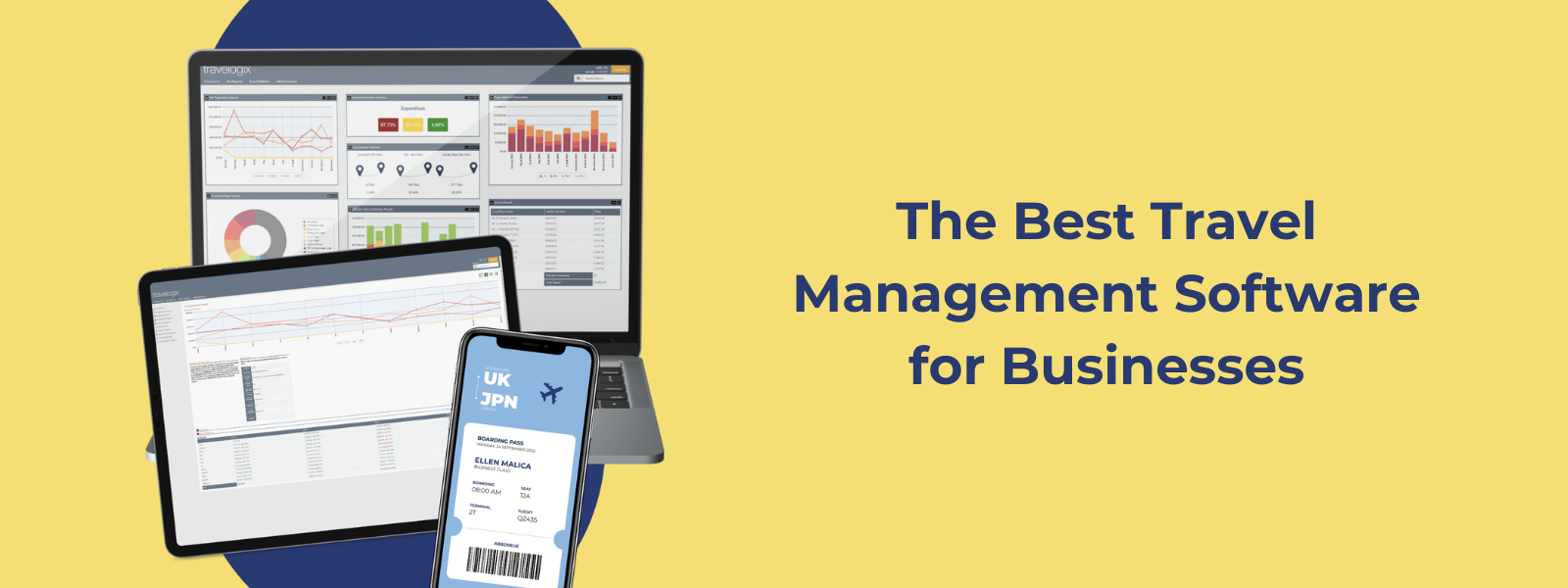
The Best Travel Management Software for Businesses

Managing corporate travel can be a complex and time-consuming task for businesses, especially when considering multiple bookings, managing expenses, and ensuring compliance with company policies.

Travel management software can streamline this process, automating tasks and providing valuable insights into travel spend, helping companies save time and money. Explore the best travel management software for businesses and why it’s crucial for efficient corporate travel management.

What is business travel management?

Business travel management refers to the planning, booking, and management of all aspects of corporate travel, including flights, accommodations, ground transportation, and expenses. A well-structured travel management programme ensures employees have seamless travel experiences, while also keeping costs under control and adhering to the company’s travel policies.

Companies of all sizes can benefit from a more structured and streamlined approach to business travel. With the right tools in place, such as travel management software, the process of booking, tracking, and reporting becomes more manageable.

Why use travel management software?

Travel management software offers much more than just booking platforms. They offer all-in-one solutions that simplify booking processes, help manage travel policies, track expenses, and provide detailed reports on travel behaviour and costs. Businesses can greatly benefit from implementing a travel management system, especially when managing multiple employees travelling to various destinations.

By using travel management software, businesses can ensure that their employees are travelling efficiently, economically, and safely. Software also provides visibility into travel spending patterns, helping companies identify areas where savings can be made.

Top travel management software for businesses

Airbnb for work

While many are familiar with Airbnb for leisure travel, Airbnb for work offers tailored solutions for corporate travellers. This platform allows businesses to book a wide range of accommodation types, from short-term rentals to meeting spaces. The major advantage of using Airbnb for Work is the centralisation of bookings—everything is linked to the company’s profile, making it easier for finance teams to manage invoices and track employee stays.

The platform also offers an innovative feature for team-building activities through Airbnb Experiences, allowing for more holistic travel planning. Additionally, its dashboard gives companies a clear view of travel expenses, making it an excellent option for businesses that want flexibility in their travel arrangements.

Google Travel

Previously known as Google Trips, Google Travel helps users plan their trips by consolidating all travel-related information in one place. For business travellers, this means a simplified process of booking flights, hotels, and car rentals, all while being able to view maps, weather conditions, and more.

Google Travel automatically saves information such as flight confirmations and hotel bookings directly to the user’s account. This is ideal for businesses looking to keep all travel details organised, reducing the risk of missing important travel updates or documents.

AirHelp

Though not exclusively designed for corporate travellers, AirHelp can be a valuable tool for businesses, especially when flight delays or cancellations occur. This software informs travellers of their rights and helps them claim compensation if their flights are significantly delayed or cancelled.

For businesses, AirHelp can save time by ensuring that employees are aware of what to do in case of travel disruptions. This added layer of support ensures that employees are well-prepared, even when things don’t go according to plan.

PackPoint

Forgetting to pack an essential item for a business trip can be disastrous. PackPoint helps travellers create customised packing lists based on the destination, weather, and trip duration. It’s a helpful tool that ensures employees are well-prepared for their trips, reducing stress and improving productivity.

For businesses, PackPoint can act as a simple but effective tool to ensure employees are adequately prepared for their travels, preventing any last-minute packing issues that could hinder the success of the trip.

The benefits of partnering with a business travel management company

While travel management software provides great advantages, working with a specialised business travel management company can take your corporate travel to the next level. Our expert team offers bespoke travel management solutions tailored to your company’s specific needs.

At ACE Travel Management ATG UK, we help you leave travel booking worries in the past. Our integrated travel booking system allows you to plan, approve, book, and manage travel arrangements from anywhere, whether at your desk or on the go. With real-time reporting, you can keep track of all company bookings and ensure compliance with your global and location-based travel policies.

From providing access to the latest travel management software to offering personalised service every step of the way, our goal is to streamline your corporate travel process and improve overall efficiency. With our support, your team can focus on their work, while we take care of the travel logistics.

Streamline your corporate travel processes

Selecting the right travel management software is crucial for businesses looking to streamline their corporate travel processes and enhance productivity. Whether you opt for helper tools, like Airbnb for Work, or find a business travel management expert to do everything for you, having software to manage travel can make a significant difference.

If you would like to partner with a specialised business travel management company and experience an added layer of convenience and expertise, get in touch with our team today. Our tailored solutions ensure that every aspect of your business travel is handled efficiently, allowing your team to focus on driving success.

A Guide to Tracking Business Travel Expenses and Trends

Managing travel efficiently is crucial for companies looking to maintain a competitive edge. Business travel is not just about getting from point A to B; it encompasses a multitude of factors, from budgeting and planning to tracking expenses and analysing trends.

Understanding how to monitor business travel expenses and identify patterns can significantly impact a company’s bottom line and improve overall travel management.

This guide provides insights into effectively tracking business travel expenses and trends to optimise your travel programme.

The importance of tracking business travel expenses

Tracking business travel expenses is essential for several reasons:

  1. Budget management: understanding travel expenses allows companies to create accurate budgets, avoiding overspending and ensuring resources are allocated effectively.
  2. Cost control: regular monitoring helps identify areas where costs can be cut without compromising the quality of travel.
  3. Financial reporting: accurate tracking provides essential data for financial reporting and forecasting, aiding in decision-making.
  4. Policy compliance: by tracking expenses, organisations can ensure that travel policies are followed, leading to reduced risk and improved accountability.
  5. Identifying trends: analysing travel expenses over time can reveal patterns that inform future travel policies and strategies.

Setting up a travel expense tracking system

Creating an efficient tracking system involves several key steps:

1. Choose the right tools

Selecting the appropriate tools for tracking expenses is vital. Consider the following options:

  • Expense management software: tools like Concur or Expensify streamline the process of logging expenses, receipts, and approvals.
  • Mobile apps: many expense management tools offer mobile applications, allowing employees to track expenses on the go.
  • Spreadsheets: while not as efficient as dedicated software, spreadsheets can be customised for small businesses to track expenses manually.

2. Define expense categories

Clearly defining expense categories helps in accurate tracking. Common categories include:

  • Travel costs: flights, trains, taxis, and car rentals.
  • Accommodation: hotels and other lodging expenses.
  • Meals: meals during travel, including per diem allowances.
  • Miscellaneous expenses: any other expenses incurred during travel, such as conference fees or internet access.

3. Establish a policy for submitting expenses

Implementing a clear policy on how and when to submit expenses is crucial for maintaining consistency. Key elements include:

  • Submission deadlines: specify timeframes for submitting expenses after travel.
  • Required documentation: outline what receipts and documentation are necessary.
  • Approval process: define who is responsible for approving expenses.

Best practices for tracking travel expenses

To ensure effective tracking of business travel expenses, consider the following best practices:

1. Encourage real-time expense reporting

Encourage employees to log expenses as they incur them. Real-time reporting reduces the chances of missing or forgetting expenses and helps maintain accurate records.

2. Automate expense tracking

Automating the expense tracking process can save time and reduce errors. Many software solutions can automatically import transactions from credit cards or bank accounts, streamlining the process.

3. Regularly review and analyse data

Conducting regular reviews of travel expenses enables companies to identify trends and anomalies. Analyse data to uncover insights such as:

  • Average travel costs by employee or department.
  • Frequently visited destinations and associated expenses.
  • Patterns in travel booking, such as last-minute bookings leading to higher costs.

4. Provide training and resources

Ensure that employees understand how to use expense tracking tools and the importance of accurate reporting. Providing training sessions and resources can enhance compliance and reduce errors.

Identifying trends in business travel

Tracking expenses not only helps manage costs but also reveals valuable insights into travel trends. Here’s how to identify and leverage these trends:

1. Monitor travel frequency and patterns

Analyse how often employees travel and for what purposes. Identifying frequent travel routes or departments with higher travel needs can inform future decisions about booking preferences and budgeting.

2. Evaluate accommodation preferences

Understanding employees’ accommodation preferences can help negotiate better rates with hotels and improve satisfaction. Analyse data to identify frequently used hotels and assess if they align with company policies and budgets.

3. Assess transportation choices

Examine the modes of transport employees choose most frequently. This data can inform decisions about preferred vendors and contribute to cost-saving measures, such as carpooling or using public transport.

4. Track compliance with travel policies

Regularly review compliance with company travel policies. Identify any patterns of non-compliance and address them with employees. This ensures that travel remains within budget and meets organisational guidelines.

Track expenses for greater efficiency and effectiveness

Tracking business travel expenses and trends is essential for effective travel management. By implementing a robust tracking system, adopting best practices, and regularly analysing data, companies can gain valuable insights that drive informed decisions.

Understanding travel patterns allows organisations to optimise budgets, improve employee satisfaction, and ultimately enhance the efficiency of their travel programmes. As the business landscape continues to evolve, staying informed about expenses and trends will be a critical component of successful travel management.

If you want to offload your complex and time-consuming travel management responsibilities to a leader in the world of business travel management, speak to the ACE Travel team about your needs.

5 Ways to Reduce Travel Risk for Your Business Travellers

Corporate travel is essential for many modern businesses, but it comes with its own set of risks. From health concerns to geopolitical instability, ensuring the safety and well-being of your employees while they travel is a critical responsibility.

But, by being proactive and implementing risk management strategies, businesses can significantly mitigate travel risks and create a safer experience for their travellers.

Let’s explore five key ways you can improve your business travel risk management, providing peace of mind and maintaining productivity during trips.

1. Develop a comprehensive travel policy

Creating a well-defined corporate travel policy is the first step towards business travel risk management. A travel policy should cover everything from booking guidelines and preferred suppliers to safety protocols and emergency procedures.

Not only does this ensure consistency across your organisation, but it also equips employees with the knowledge they need to make safe and informed travel decisions.

To make your travel policy effective, consider including:

  • Approved travel destinations and restrictions.
  • Safety protocols for high-risk areas.
  • Clear communication channels for emergencies.
  • Requirements for booking through approved vendors and platforms.

A well-documented policy ensures that both employers and employees are on the same page regarding safety expectations and risk management procedures.

2. Provide traveller training and resources

Even the most experienced business travellers can benefit from refresher training on how to handle potential risks. Training sessions can cover everything from cultural information and communication protocols to dealing with emergencies like natural disasters or medical incidents.

Consider offering your employees:

  • Pre-trip safety briefings, especially when travelling to unfamiliar or high-risk destinations.
  • First aid and personal safety training.
  • Crisis communication plans and contact lists.

Additionally, providing employees with travel safety apps and resources such as travel advisories, embassy contacts, and healthcare information ensures they are prepared for any situation that may arise.

3. Utilise traveller tracking and monitoring tools

One of the most effective ways to reduce travel risk is through real-time tracking and monitoring of employees. With modern technology, it’s easier than ever to keep track of where your employees are at any given moment. Traveller tracking tools allow businesses to monitor their staff in real-time and provide swift assistance in case of an emergency.

These tools can alert travel managers if an employee is in a region affected by a crisis, such as a natural disaster or civil unrest, and offer instant communication to ensure their safety. Having a centralised platform to monitor travellers also ensures that employees have access to immediate assistance when needed.

4. Ensure comprehensive travel insurance coverage

Comprehensive travel insurance is a non-negotiable element of any risk reduction strategy. The unpredictability of business travel means that companies need to be prepared for everything from medical emergencies to flight cancellations.

Standard corporate insurance may not always provide sufficient coverage for travel-specific incidents, so it’s crucial to invest in a tailored business travel insurance plan.

Look for insurance that covers:

  • Medical emergencies and evacuation.
  • Trip cancellations or interruptions.
  • Lost or stolen belongings, including equipment and documents.

Additionally, businesses should ensure that employees are aware of what their travel insurance covers and how to make a claim if needed. This provides peace of mind to both travellers and their employers.

5. Stay informed of global risks and develop contingency plans

The global landscape is constantly changing, and what may be a safe destination today could become a risk tomorrow. Staying informed of geopolitical tensions, health risks, and environmental hazards is crucial for managing travel risks effectively. Partnering with a business travel management agency that provides regular updates on global risks can help your organisation stay ahead of potential threats.

Developing contingency plans for different scenarios — such as sudden border closures, strikes, or health outbreaks — ensures that your company is ready to react quickly and effectively. A proactive approach can prevent delays, additional costs, or potential harm to your travellers.

Stay ahead of travel risks

Reducing travel risk for your business travellers is not only about following best practices; it’s about being proactive, prepared, and informed. By developing a strong travel policy, providing the right resources, utilising tracking tools, ensuring comprehensive insurance, and staying updated on global risks, businesses can safeguard their employees while maintaining seamless business operations.

As travel continues to play an essential role in business growth, implementing these risk management strategies will help ensure that your travellers stay safe, productive, and confident while on the road.

Business travel doesn’t have to be a risky endeavour — with the right precautions and support, you can minimise risks and focus on achieving your business goals. If you want to learn more about traveller safety, get in touch with our team today.

How to Leverage Data to Optimise Your Business Travel Programme

Today’s companies rely on efficient travel programmes to connect with clients, explore new markets, and maintain operations. However, managing a travel programme effectively requires more than just booking flights and hotels.

Data plays a crucial role in optimising these programmes, improving cost-efficiency, and enhancing traveller satisfaction. In this blog, we will explore how leveraging data can help businesses optimise their travel programmes for better results.

Why data matters in business travel

Data-driven decisions are at the heart of modern business strategies, and travel management is no exception. The vast amount of information generated through travel bookings, expenses, and traveller preferences provides valuable insights that can help businesses streamline their travel programmes. From controlling costs to improving compliance, data offers the means to make informed, strategic choices.

The challenge for many businesses lies in understanding how to collect, analyse, and act upon this data effectively. By doing so, companies can not only save money but also improve the overall travel experience for employees.

Understanding travel patterns and trends

One of the first steps in leveraging data to optimise your business travel programme is identifying key travel patterns. This includes analysing frequent destinations, common travel times, and preferred airlines or hotels. Understanding these trends allows businesses to negotiate better deals with travel suppliers and streamline booking processes.

For example, if data reveals that most business trips occur during the same months each year, the company can negotiate bulk discounts with airlines or hotels. Similarly, identifying preferred suppliers can lead to partnerships that offer better rates and services tailored to your business’s needs.

Moreover, tracking travel patterns can help businesses assess the necessity of certain trips, reducing unnecessary travel and associated costs.

Reducing costs through data insights

Data offers unparalleled opportunities to identify cost-saving measures in business travel. By analysing spending data, companies can pinpoint areas where costs can be reduced, such as:

  • Identifying overspend: Data can reveal where employees might be exceeding travel budgets, allowing companies to adjust policies or implement stricter approval processes.
  • Supplier analysis: Detailed data on spending with airlines, hotels, and car hire companies enables businesses to assess where they can negotiate better rates or switch to more cost-effective providers.
  • Expense management: Using data to analyse expense reports can highlight any discrepancies between policy and actual spending, ensuring compliance and reducing instances of overpayment.

With the right data tools in place, businesses can monitor travel expenses in real-time, quickly identifying and addressing any cost overruns.

Enhancing policy compliance

A well-defined travel policy is essential for managing a successful business travel programme. However, ensuring employees follow the set guidelines can be challenging. Data analytics can play a significant role in boosting compliance with travel policies.

By tracking bookings and expenses, businesses can quickly identify areas where policies are not being followed. Whether it’s booking outside of approved channels, selecting non-compliant suppliers, or exceeding budgetary limits, data can highlight these issues in real-time.

Moreover, presenting employees with personalised data on their travel habits, including areas where they may be exceeding limits or deviating from policy, can encourage better compliance. Informed travellers are more likely to make decisions that align with company policies.

Improving traveller experience

While cost control is a primary concern for many businesses, ensuring a positive experience for employees is equally important. Data can be a powerful tool in creating a more personalised, comfortable travel experience.

Through data analysis, businesses can identify traveller preferences, such as favoured airlines, seating arrangements, or hotels. By accommodating these preferences within policy limits, companies can improve employee satisfaction without incurring additional costs.

Furthermore, data can help companies predict and mitigate common travel issues, such as delays or cancellations, ensuring that employees face minimal disruption during their trips. The smoother the travel experience, the more productive employees will be during their business trips.

Sustainability and data

Sustainability is becoming a growing concern in corporate travel. With increasing awareness of carbon footprints, businesses are looking for ways to minimise their environmental impact. Data can support these efforts by helping companies track their carbon emissions from travel and identify opportunities for reduction.

By analysing travel data, businesses can see where they can reduce flights, encourage train travel, or implement video conferencing as an alternative to in-person meetings. Data can also assist in choosing more sustainable suppliers, such as airlines with lower emissions or eco-friendly hotels.

Using technology to leverage data

To effectively leverage data, businesses need the right tools and technology. Travel management software (TMS) and expense management platforms are essential for gathering, analysing, and acting on data. These tools provide businesses with real-time insights into travel spending, compliance, and traveller behaviour.

Integrating your travel programme with data analytics platforms allows for automated reporting, which can be tailored to highlight the key metrics that matter most to your business. Regular reports can help travel managers and decision-makers stay on top of trends and make proactive adjustments to the travel programme.

Optimise your business travel programme

Businesses cannot afford to overlook the importance of leveraging data in their travel programmes. From cost savings and improved compliance to enhanced traveller experiences and sustainability, the benefits of using data are vast. By adopting a data-focused approach, companies can ensure their business travel programmes are optimised for efficiency, cost-effectiveness, and employee satisfaction.

As awareness of the power of data in travel management grows, now is the perfect time for businesses to explore how they can better utilise the information at their disposal. In the long run, this will lead to a more streamlined, cost-effective, and sustainable travel programme, benefiting both the company and its employees.

Get in touch with our team today and discover how our data can help optimise your business travel programme.

Visa Essentials: Everything You Need to Know

Business travel is a necessity for many organisations — however, navigating visa requirements can be a daunting task, especially for frequent travellers. Whether you’re planning a short trip or a long-term assignment abroad, understanding visa essentials is critical to avoid delays and ensure a smooth journey.

In this blog, we’ll cover everything you need to know about visas, from types of visas to application tips, to help you streamline your business travel programme.

What is a visa?

A visa is an official document that allows a foreign national to enter a specific country for a certain period of time, usually for business, tourism, or study purposes. Most countries require visitors to obtain a visa before they arrive, while others offer visa-on-arrival or visa waiver programmes. It’s essential to research visa requirements well in advance of any trip to ensure there are no last-minute surprises.

Types of visas

Visas come in various forms, each tailored to the purpose of your visit. Understanding the type of visa you need is the first step to a successful application.

  • Business visa: a business visa is designed for professionals travelling to conduct meetings, attend conferences, or establish business relationships. It usually has a shorter validity period and may have restrictions on the activities allowed.
  • Work visa: if you’re planning to work in a foreign country for an extended period, a work visa will be required. Work visas are typically more complex and may involve sponsorship from an employer.
  • Tourist visa: although not applicable for business trips, some travellers may need to apply for a tourist visa if they intend to combine leisure with their work trip.
  • Transit visa: if your business travel involves a layover in a country where you are not staying, a transit visa may be necessary. This allows you to pass through the country but not remain there for an extended period.

Visa application process

The visa application process varies depending on the country you are visiting. However, there are some general steps you can expect across most applications. Understanding these steps will make the process smoother and less stressful.

  1. Research the requirements: the first step is to determine what type of visa you need and the specific requirements for the country you’re visiting. Each country has its own set of criteria, which may include proof of financial means, invitation letters, or proof of employment.
  2. Complete the application form: once you’ve gathered all the necessary documents, you’ll need to fill out the application form. This can typically be done online or through a paper submission, depending on the country’s process.
  3. Submit the necessary documents: in addition to the completed application form, you’ll need to submit several supporting documents, such as a valid passport, recent photographs, proof of travel arrangements, and a cover letter explaining the purpose of your trip.
  4. Attend an interview (if required): some countries require a face-to-face interview as part of the visa application process. This is more common for work visas or long-term stays.
  5. Wait for processing: visa processing times can vary widely, so it’s important to apply well in advance of your planned travel dates. Some visas may be processed in a few days, while others could take several weeks.
  6. Receive your visa: once approved, your visa will either be stamped in your passport or provided as an electronic document. Make sure to check the validity period and any conditions attached to your visa before travelling.

Common visa application mistakes

When applying for a visa, even small errors can result in delays or rejection. Here are some common mistakes to avoid:

  • Submitting incorrect information: ensure that all the details on your application form match your passport and other supporting documents. Even minor discrepancies can cause issues.
  • Ignoring processing times: always allow sufficient time for your visa to be processed. If you leave it too late, you may not receive your visa in time for your trip.
  • Not meeting the requirements: each country has its own visa requirements. Failing to provide the necessary documents or evidence can result in your application being rejected.
  • Not checking visa validity: always check the validity dates and any restrictions on your visa before you travel. Some visas are single-entry, meaning you can only enter the country once, while others allow multiple entries.

How to streamline the process for business travel

Business travel can be fast-paced, and applying for visas last minute can disrupt your travel plans. Fortunately, there are several ways to make the process more efficient:

  • Use a visa management service: for companies that require frequent travel, visa management services can handle the entire process on your behalf, ensuring applications are submitted on time and correctly.
  • Keep documents organised: having a dedicated travel document folder with all your essential paperwork will save time when applying for visas. This includes passport copies, travel insurance, and invitation letters.
  • Monitor visa expiry dates: for frequent travellers, keeping track of visa expiry dates can help avoid last-minute applications. Set reminders for when you need to renew or apply for a new visa.

Stay informed, stay compliant

Understanding visa requirements is an essential aspect of managing a successful business travel programme. By staying informed about the different types of visas, the application process, and common pitfalls, you can ensure a smoother, more efficient travel experience for your team.

Whether you handle visa applications in-house or use a dedicated service, being proactive about visa management will save you time, money, and stress in the long run.

If you’re looking for more ways to optimise your business travel programme, reach out to us today. We specialise in simplifying the complex aspects of travel management, allowing your team to focus on what matters most — growing your business.

How to Create a Business Travel Policy that Works for Your Company

Creating a business travel policy is essential for ensuring consistent and cost-effective travel management. A well-defined policy helps streamline operations, reduce expenses, and enhance traveller safety.

In this guide, we’ll walk through the key steps to developing a travel policy that meets your company’s specific needs.

Define your travel objectives

The first step in creating a successful business travel policy is to clearly define your objectives. Consider what you want to achieve with your policy. Common goals include keeping travel costs under control, ensuring employee safety and comfort, and simplifying travel arrangements.

By outlining these objectives, you can build a framework that meets both the operational and financial needs of your company.

Address traveller needs

Understanding the needs of your employees is crucial to designing a policy that works. Consider the common destinations your business travellers frequent and how they typically get there. Ensure the policy reflects any specific requirements related to your company’s activities. This could include preferences for certain airlines, hotels, or transportation methods.

A flexible policy that takes these factors into account will result in a more effective and well-adhered-to-travel programme.

Offer flexibility while controlling costs

While it is important to manage travel expenses, giving employees some level of flexibility can encourage adherence to the policy. Provide them with options such as a range of hotel choices or preferred airlines.

To control costs, you can implement guidelines such as capping the hotel star rating or setting a maximum budget per room. This approach strikes a balance between cost-efficiency and employee satisfaction, helping travellers feel empowered while ensuring financial limits are respected.

Establish clear guidelines

A comprehensive travel policy should leave no room for ambiguity. Ensure the policy covers every aspect of travel, from how bookings should be made to rules for expenses such as meals and entertainment.

Additionally, clarify any procedures regarding security, personal safety, and the handling of work materials during travel. The more detailed and clear the policy is, the less likely it will lead to confusion or misinterpretation.

Communicate the policy effectively

Once your travel policy is in place, it’s essential that it is communicated clearly to all employees. Ensure that all relevant documents are easily accessible, either through your company’s comms or a dedicated travel platform.

In addition to employees, line managers should be familiar with the policy so they can help enforce it. Effective communication will encourage consistent adherence across the company.

Review and update regularly

Your business travel policy should not be static. As your company evolves, so too should your travel policy. Regularly reviewing and updating the policy ensures it remains relevant and continues to meet the changing needs of your business.

Consider incorporating feedback from employees who travel frequently to make improvements. Keeping the policy dynamic and adaptable will ensure long-term success and continued cost savings.

Create a policy that works for you

A well-structured business travel policy is the key to effective travel management. By defining your objectives, addressing traveller needs, and establishing clear guidelines, you can create a policy that works for your company.

Don’t forget to communicate the policy effectively and review it regularly to ensure it stays relevant. With the right travel policy in place, you’ll enjoy smoother operations, enhanced safety, and valuable cost savings across your business.

Want to learn more about business travel? Check out our news section.

10 Smart Packing Tips for Business Travel

Business travel can be a whirlwind of meetings, presentations, and networking opportunities. With so much on your plate, packing efficiently can make all the difference between a smooth trip and a stressful experience.

This guide offers ten smart packing tips that ensure you have everything you need while minimising stress and maximising productivity on your next business trip.

1. Plan your outfits in advance

Before you even think about packing, take a moment to plan your outfits for each day of your trip. Consider the climate and culture of your destination, and select clothing that is both professional and comfortable. By planning ahead, you can avoid overpacking and ensure that you have everything you need.

2. Stick to a colour palette

To simplify your packing, choose a specific colour palette for your business attire. By selecting neutral colours that coordinate well with one another, you can mix and match different pieces to create multiple outfits without taking up too much space in your suitcase. This strategy will also help you streamline your packing process.

3. Choose versatile clothing

Opt for clothing that can serve multiple purposes. A blazer, for example, can elevate a casual outfit for a meeting and can also be worn for dinner in the evening. Similarly, lightweight fabrics that resist wrinkles are ideal for travel, allowing you to look polished without needing to iron.

4. Use packing cubes

Packing cubes are small, fabric containers with zips that help you organise your suitcase by categorising your clothing and accessories. By dividing your items into different cubes (such as work clothes, casual wear, and toiletries), you can easily find what you need without rummaging through your entire bag. This method not only maximises space but also helps prevent wrinkles, making your packing process much more efficient.

5. Roll your clothes

Instead of folding your clothes, roll them. This technique not only saves space but also helps reduce wrinkles. Rolling allows you to fit more items into your suitcase and makes it easier to see everything at a glance.

6. Pack essential electronics

In today’s digital age, having the right technology at your fingertips is crucial for a successful business trip. Make sure to pack essential electronics, such as your laptop, tablet, and smartphone, along with their chargers. Consider using a tech organiser to keep cables and accessories tidy, ensuring you can access everything you need quickly.

7. Bring a reusable water bottle

Staying hydrated while travelling is important, and carrying a reusable water bottle can help you do just that. Not only does this save you money on buying bottled water, but it also reduces waste. Many airports have water refill stations, making it easy to keep your bottle filled during your journey.

8. Keep important documents accessible

When travelling for business, you’ll likely need to present various documents, such as your itinerary, boarding passes, and meeting notes. Keep these important papers in a designated travel wallet or folder that you can access easily. This will save you time and stress when you need to find crucial information quickly.

9. Pack a small bag for essentials

Consider packing a small carry-on bag or personal item with essentials such as toiletries, a change of clothes, and any necessary medications. This way, if your checked luggage is delayed or lost, you’ll have everything you need for the first day of your trip. It’s also helpful to have a compact bag for any meetings or events you might attend.

10. Check the weather

Before you leave, check the weather forecast for your destination. This will help you pack appropriate clothing and accessories, such as an umbrella or a lightweight jacket. Being prepared for the weather can make your trip more comfortable and ensure you look professional no matter the conditions.

Plan in advance and enjoy a stress-free business trip

Business travel doesn’t have to be stressful, especially when you pack smartly. By planning your outfits, choosing versatile clothing, and utilising packing aids like cubes and rollers, you can make your travel experience much more manageable. Remember to keep important documents accessible and stay hydrated throughout your trip.

With these ten smart packing tips, you’ll be well on your way to a successful business trip, allowing you to focus on what truly matters: your work and connections. Safe travels!

If you want to learn more about the ins and outs of business travel, check out our news section for more blogs.

Do’s and Don’ts for Business Travellers at the Hotel

When you’re on a business trip, your hotel becomes your temporary home. While it might seem like a home away from home, the etiquette and expectations can differ greatly from a typical vacation stay. Understanding the do’s and don’ts of hotel conduct can help you navigate your trip more smoothly and leave a positive impression.

In this blog, we’ll explore the essential guidelines for business travellers to ensure a respectful and productive stay.

Do: respect hotel staff

One of the most important aspects of being a considerate guest is treating hotel staff with respect. These individuals work hard to ensure your stay is comfortable. A simple “thank you” or a polite request can go a long way. Remember, they are there to help you, so if you have any issues or requests, approach them courteously. If staff go out of their way for you, it’s good to give them a tip, depending on the local culture.

Don’t: disturb other guests

Business trips can often involve late-night meetings or early morning calls, but being mindful of noise is crucial. Avoid loud conversations in common areas or on the phone in your room if it can be heard outside. If you’re working late, consider using headphones for calls and keeping the volume down on your devices. This not only respects your neighbours but also reflects professionalism.

Do: keep common areas tidy

Whether you’re in the lobby, conference room, or lounge, maintaining cleanliness is a must. Dispose of trash properly, return used items to their place, and keep shared spaces neat. If you’re enjoying coffee or snacks in the lobby, clean up after yourself. A tidy environment makes a positive impression not just for you but for the hotel staff and other guests.

Don’t: make excessive requests

While it’s okay to ask for extra amenities or services, overloading staff with constant requests can be overwhelming and may come off as entitled. Prioritise your needs and try to be self-sufficient where possible. For example, if you need more towels or toiletries, consider stocking up in one request rather than asking for them daily.

Do: utilise business facilities

Many hotels offer facilities like meeting rooms, business centres, and printing services. Make use of these amenities to enhance your productivity. Be sure to reserve meeting spaces in advance, and if you’re using shared resources like printers or computers, limit your usage during peak times to allow others access as well.

Don’t: ignore the hotel’s policies

Every hotel has its own set of rules and guidelines. From check-in/check-out times to policies regarding pets and smoking, familiarise yourself with these before your stay. Ignoring these guidelines can lead to misunderstandings or even additional charges. If you have specific needs, discuss them with hotel staff upon check-in to avoid any issues.

Do: take advantage of networking opportunities

Hotels can be great places to network with other business travellers. Whether in the lobby, at breakfast, or during a conference, don’t hesitate to strike up conversations. You never know who you might meet and what opportunities could arise. Just be respectful of others’ space and time; not everyone will be open to chatting.

Don’t: bring the office to your room

While it can be tempting to turn your hotel room into an office, it’s essential to maintain a clear boundary between work and rest. Keep work materials organised and try to designate specific times for work. A cluttered space can lead to stress and hinder your ability to relax. Make use of common areas for work tasks when possible, ensuring your room remains a sanctuary for rest.

Do: prepare for check-out

As your stay comes to an end, prepare for a smooth check-out. Double-check your bill for any discrepancies, and settle any outstanding charges. If you’re leaving early, consider settling your bill the night before to avoid delays in the morning. Remember to express gratitude to the staff, as a friendly farewell can leave a lasting positive impression.

Elevate your hotel experience

Navigating the world of business travel can be challenging, but adhering to these do’s and don’ts can enhance your experience and reflect your professionalism. By respecting the hotel staff, maintaining a tidy environment, and being mindful of others, you can ensure that your stay is not only productive but also enjoyable.

Following these guidelines will not only make your trip smoother but also create a positive atmosphere for fellow travellers and hotel staff alike. If you found this article useful, check out our news section to learn more about business travel.